




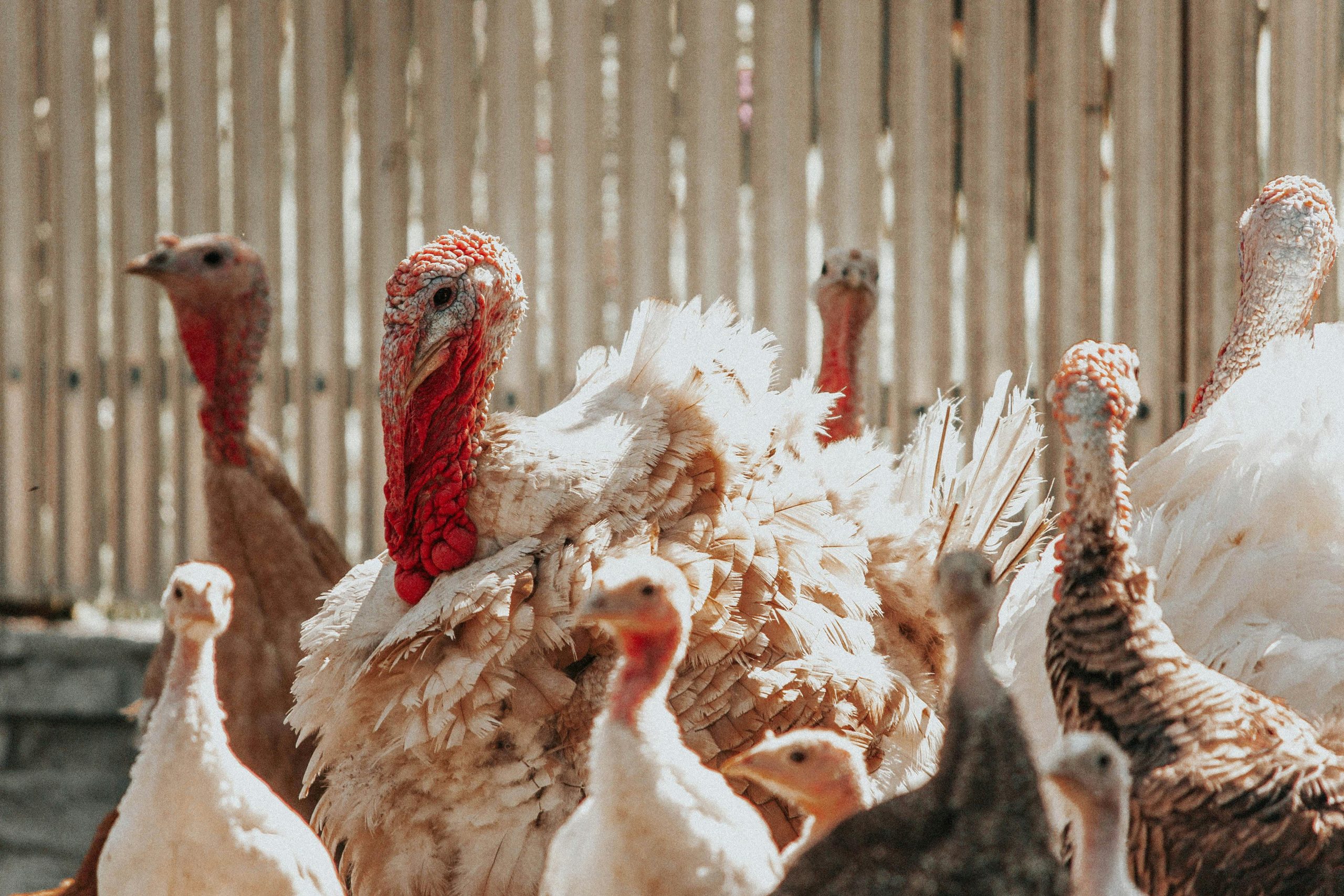
When a viral outbreak moves through a turkey flock, the first signs often look like mild respiratory distress or a dip in feed intake. Viruses such as avian influenza or turkey rhinotracheitis attack the birds’ natural defenses, especially the lining of the respiratory tract. That lining normally acts like a shield, blocking harmful organisms from settling in. Once it is damaged, the birds become more vulnerable than many producers realize.
The virus itself may run its course, but the trouble often does not stop there. A weakened immune system creates the perfect opening for bacteria that are already present in the environment. These bacteria are called opportunistic because they take advantage of a stressed host. What begins as a viral issue can quickly turn into a more serious bacterial problem.
Recognizing The Threat Of Secondary Infections
Secondary infections occur when bacteria invade after a virus has lowered the bird’s resistance. In turkey operations, common bacterial invaders include E. coli and other organisms that normally live in barns without causing major harm. Once birds are compromised, these bacteria can spread quickly through air sacs and bloodstream. Mortality rates can climb even after the initial viral symptoms appear to be improving.
Producers often notice worsening coughs, swollen sinuses or sudden drops in weight gain. Post-mortem exams may show cloudy air sacs or signs of systemic infection, which means the bacteria spread throughout the body. At that stage, supportive care alone is usually not enough. Quick action becomes critical to protect the remaining flock.
Considering When Antibiotics May Help
Antibiotics do not treat viruses, and that point cannot be stressed enough. However, they can play a role when a confirmed bacterial infection follows a viral outbreak. The key is proper diagnosis, usually guided by a veterinarian who can determine whether bacteria are contributing to the losses. Using antibiotics without clear evidence can waste resources and increase resistance concerns.
When bacterial involvement is confirmed, targeted treatment may help limit spread and reduce mortality. Products such as those offered by US Vet are designed to address certain bacterial infections under veterinary direction. The goal is not blanket use, but careful and responsible application. Treatment decisions should always balance flock health with long-term stewardship.
Balancing Treatment With Responsible Use
Responsible antibiotic use has become a major topic in American agriculture. Consumers want safe food, and producers want tools that work when truly needed. That balance requires thoughtful planning, accurate records and close communication with animal health professionals. It also means following withdrawal times, which are the required waiting periods before birds can enter the food chain.
Good biosecurity practices reduce the need for antibiotics in the first place. Clean barns, proper ventilation and stress reduction all support stronger immune systems. Vaccination programs may also lessen the severity of certain viral diseases. Antibiotics should be part of a broader health plan, not the only line of defense.
Strengthening Prevention After An Outbreak
Once a flock has experienced a viral outbreak with secondary bacterial infections, it is wise to review management practices. Were there ventilation issues that increased ammonia levels and irritated airways? Did overcrowding contribute to faster disease spread? Small adjustments in stocking density, litter management and airflow can make a meaningful difference in the next cycle.
Monitoring bird behavior and weight gain after recovery is equally important. Even birds that survive may need time to regain full productivity. Working closely with a veterinarian to evaluate lab results and refine prevention strategies can help avoid repeat problems. Prevention, in the long run, is always more cost-effective than crisis response.
Conclusion
Secondary infections during viral outbreaks can turn a manageable situation into a costly one for turkey producers. While viruses weaken the flock, opportunistic bacteria often deliver the hardest blow. Understanding this chain reaction helps farmers act quickly and wisely.
Antibiotics, when used responsibly and under veterinary guidance, can protect birds from confirmed bacterial threats. At the same time, strong management practices and biosecurity remain the foundation of flock health. By combining careful treatment decisions with preventive strategies, producers can safeguard both animal welfare and long-term farm success.
