




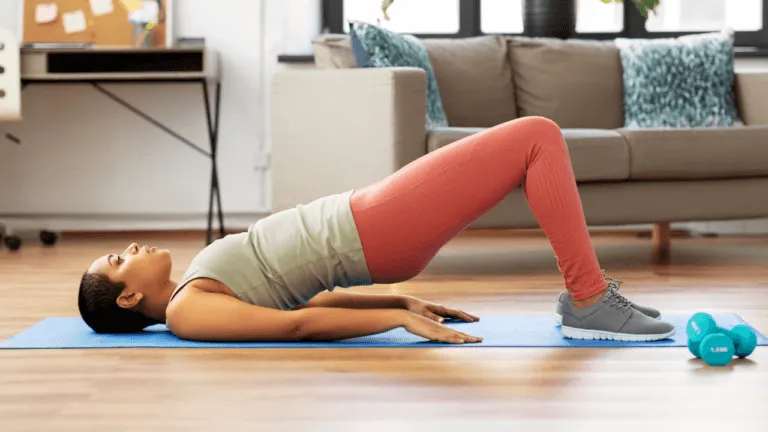
Pelvic health plays an essential role in overall well-being, yet it is often overlooked until symptoms begin to interfere with daily life. Weakness, tightness, or poor coordination of the pelvic floor muscles can contribute to urinary leakage, pelvic pain, reduced core stability, and discomfort during everyday activities. Fortunately, advancements in rehabilitation have introduced a variety of supportive tools that complement professional therapy and home exercise programs, helping people improve muscle function safely and effectively.
Understanding Pelvic Floor Rehabilitation
The pelvic floor is a group of muscles and connective tissues that support the bladder, bowel, and reproductive organs. These muscles also contribute to posture, core stability, and bladder and bowel control. When they become weak or overly tight due to pregnancy, childbirth, aging, surgery, injury, or prolonged strain, rehabilitation may be recommended by a qualified healthcare professional. Effective therapy often combines education, targeted exercises, breathing techniques, manual therapy, and lifestyle adjustments to restore normal muscle function.
Types of Supportive Therapy Tools
A wide range of rehabilitation aids is available to support different treatment goals. Kegel trainers can help individuals perform muscle contractions correctly by providing feedback during exercises. Biofeedback devices assist users in understanding whether they are activating the correct muscles, while vaginal dilators are commonly recommended to improve flexibility and reduce discomfort caused by muscle tightness. Electrical stimulation devices may also be used under professional guidance to activate muscles that are difficult to contract voluntarily. Research suggests that these tools can be valuable when matched appropriately to a person’s condition and treatment plan.
Choosing the Right Solution
Selecting the appropriate rehabilitation aid depends on individual symptoms, medical history, and treatment objectives. Someone experiencing muscle weakness may benefit from strengthening devices, while another person with chronic pelvic pain may require relaxation-focused therapies instead. Because pelvic floor disorders vary widely, professional assessment is important before beginning any device-based therapy to ensure the chosen approach is safe and effective.
Benefits of Consistent Rehabilitation
When used consistently alongside a personalized therapy program, rehabilitation tools can contribute to improved bladder control, enhanced muscle coordination, better pelvic support, reduced discomfort, and greater confidence during physical activities. Results generally develop gradually, making regular practice and patience essential for long-term improvement rather than expecting immediate changes.
How Technology Is Improving Home Therapy
Modern innovations have made home-based rehabilitation more accessible than ever. Many devices now include mobile applications, guided exercise programs, progress tracking, and real-time feedback that encourage users to maintain a consistent routine. These technological improvements can increase motivation while helping users perform exercises with greater accuracy between visits to a healthcare provider.
Using Pelvic Floor Therapy Products Safely
Choosing high-quality pelvic floor therapy products can provide additional support during rehabilitation, but they should always be used according to professional guidance and manufacturer instructions. The most effective products are those selected based on individual needs rather than popularity, ensuring they complement a personalized treatment plan instead of replacing expert medical advice.
Lifestyle Habits That Support Recovery
Successful rehabilitation extends beyond exercises and therapy devices. Maintaining a healthy body weight, avoiding chronic constipation, practicing proper lifting techniques, staying physically active, and strengthening the core muscles can all contribute to better pelvic health. Good hydration and balanced nutrition also support healthy muscle function and overall recovery.
Conclusion
Pelvic rehabilitation has evolved significantly, offering individuals more effective ways to improve strength, flexibility, and muscle coordination. While supportive tools can enhance treatment, lasting results depend on consistent practice, individualized care, and guidance from qualified healthcare professionals. With the right combination of therapy, healthy habits, and appropriate rehabilitation aids, many people can successfully regain comfort, confidence, and improved quality of life.
