




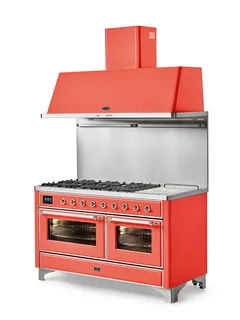
Installing a freestanding oven may seem straightforward, but doing it correctly ensures safety, efficiency, and a long lifespan for your appliance. Whether you’re replacing an old oven or installing a new one, following proper guidelines can make the process smoother. Here are some essential freestanding oven installation tips every homeowner should know.
1. Measure Your Space Accurately
Before purchasing a freestanding oven, it’s crucial to measure the space where it will be installed. Consider the following:
- Width, height, and depth – Ensure the oven fits comfortably without cramping your kitchen.
- Ventilation space – Leave a few inches on the sides and back for proper airflow.
- Proximity to other appliances – Keep the oven at a safe distance from water sources and heat-sensitive cabinets.
Accurate measurements prevent costly mistakes and allow the oven to operate safely and efficiently.
2. Check Electrical and Gas Connections
Freestanding ovens can be powered by electricity or gas, and each requires specific setup:
- Electric ovens – Ensure your kitchen outlet matches the oven’s voltage requirements. Avoid using extension cords.
- Gas ovens – Make sure the gas line is properly connected and leak-tested. Hiring a certified technician is highly recommended.
Proper connection prevents accidents and ensures the appliance functions optimally.
3. Level the Oven
A freestanding oven must sit level to cook evenly. Use a spirit level to check the alignment and adjust the feet if necessary. Uneven installation can cause:
- Uneven baking
- Door alignment issues
- Premature wear on internal components
Leveling is a small step that has a big impact on performance.
4. Allow for Adequate Ventilation
Good ventilation prevents overheating and improves cooking efficiency. Keep the following in mind:
- Leave space around the oven as specified in the manufacturer’s instructions.
- Avoid placing the oven too close to walls or cabinetry that could block airflow.
Proper ventilation not only prolongs the oven’s life but also maintains a safer kitchen environment.
5. Follow Manufacturer Instructions
Every freestanding oven comes with its own installation guide. Always read and follow these instructions carefully. Key points often include:
- Recommended height and clearance
- Electrical or gas specifications
- Safety precautions
Following manufacturer instructions minimizes the risk of damage and ensures warranty coverage.
Conclusion
Installing a freestanding oven may seem like a DIY task, but attention to detail makes all the difference. By keeping in mind these freestanding oven installation tips every homeowner should know—measuring accurately, checking connections, leveling, ventilating, and following the manual—you can enjoy safe and efficient cooking for years to come.
