




A rug does more than just cover a floor. It sets the tone for an entire room. It grounds furniture, adds warmth, and introduces texture where flat surfaces dominate. Among the many options available today—from machine-made synthetics to tufted wool—hand-knotted rugs stand apart as the pinnacle of textile craftsmanship.
These pieces are not merely decor; they are heirlooms. The intricate process of tying thousands of individual knots creates a product of exceptional durability and beauty. Whether you reside in a heritage property filled with antiques or a sleek, modern apartment, a high-quality rug ties the aesthetic together.
At The Ambiente, based in Delhi, we understand this balance. We bridge the gap between age-old traditions and modern design needs, bringing the finest Handmade Rugs in India directly to your living space.
The Art of Hand-Knotted Rugs
To understand the value of a hand-knotted rug, you must look at how it is made. Unlike machine-made carpets, which are churned out in minutes, a hand-knotted rug takes months—sometimes years—to complete.
A weaver sits at a vertical loom and ties individual knots of wool or silk around the warp threads. This is a painstaking process. The density of these knots determines the quality of the rug; higher knot counts typically result in finer details and a more robust structure.
This traditional craftsmanship allows for incredible versatility. While the technique remains ancient, the designs have evolved. Today, artisans blend these historical methods with modern patterns. You might find a rug that uses a Persian knotting technique but features an abstract, geometric design suitable for a loft apartment. This fusion ensures that hand-knotted rugs remain relevant, regardless of changing interior trends.
Why Choose Hand-Knotted Rugs?
When you look to buy rugs, the initial cost of a hand-knotted piece is higher than other varieties. However, the benefits justify the investment.
Durability and Longevity
These rugs are built to last. Because the pile is tied directly onto the foundation of the rug, they are incredibly strong. They do not shed glue or backing material over time like tufted rugs often do. A well-maintained hand-knotted rug can last for generations, often becoming softer and more lustrous with age.
Unique Artisan Appeal
No two hand-knotted rugs are exactly alike. Even if two weavers follow the same pattern, slight variations in tension and dye lots create subtle differences. These “imperfections” are the hallmark of handmade authenticity. When you own one, you own a singular piece of art.
Investment Value
High-quality rugs often retain their value. Antique hand-knotted rugs are sought after by collectors worldwide. While you should buy primarily for enjoyment, it is reassuring to know that you are purchasing an asset rather than a disposable item.
Rugs for Classic Homes
Classic interiors rely on symmetry, harmony, and a sense of history. If your home features traditional furniture, rich wood tones, or ornate moldings, your rug choice should reflect that grandeur.
Styles and Patterns
For classic spaces, look for traditional motifs. Floral patterns, medallions, and intricate borders work beautifully. Oriental and Persian designs are the gold standard here. They provide a sophisticated foundation that anchors heavy wooden furniture and antiques.
Color Palettes and Textures
Classic homes often benefit from deep, rich colors. Think burgundy, navy blue, forest green, and gold. Wool is the preferred material for these settings because of its matte finish and warmth. Silk accents can add a touch of luxury, catching the light and adding depth to intricate patterns.
Rugs for Contemporary Homes
Modern interiors prize clean lines, open spaces, and minimalism. A rug in a contemporary home serves a different purpose: it adds warmth to cool spaces and defines zones in open-plan layouts.
Modern Designs and Aesthetics
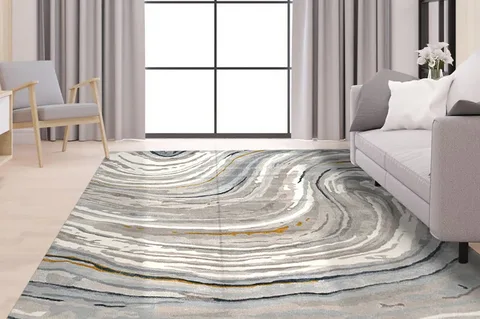
You don’t need an ornate pattern for a modern home. Abstract designs, painterly washes of color, and geometric shapes fit perfectly. Even solid-colored rugs with interesting textures—like a high-low pile—add visual interest without overwhelming the room.
Integrating Rugs into Modern Spaces
In a contemporary setting, the rug acts as a canvas. A large, neutral hand-knotted rug allows bold furniture or artwork to take center stage. Alternatively, in a room with neutral furniture, a vibrant, abstract rug can serve as the primary focal point. The key is balance.
The Ambiente: Empowering Artisans
At The Ambiente, we believe that the soul of the rug comes from the hands that weave it. Our roots are in Bhadohi, known as the carpet hub of South Asia. Backed by over 30 years of expertise through our parent company, Bhadohi Carpets, we are deeply committed to our artisan community.
We work with an integrated collective of over 4,000 women weavers. We provide sustainable livelihoods and a platform for these skilled artisans to gain recognition. Founders Avani Khandelwal and Ayush Baranwal launched The Ambiente with a specific goal: to make luxury handwoven rugs accessible while educating homeowners on the painstaking creation process.
By combining Avani’s background in consumer behavior and Ayush’s exposure to western lifestyles, we create collections that respect Indian heritage while meeting global design standards. When you purchase from us, you support an ecosystem that values the maker as much as the product.
Buying Guide: What to Look For
Navigating the market to buy rugs can be overwhelming. Keep these factors in mind to ensure you get a quality piece.
Check the Back
Flip the rug over. On a hand-knotted rug, the pattern on the back should mirror the pattern on the front clearly. You should also be able to see the individual knots. If the back is covered with a fabric backing, it is likely hand-tufted or machine-made, not hand-knotted.
Materials Matter
Natural materials are superior. Wool is durable and stain-resistant. Silk adds sheen and luxury. Cotton is often used for the foundation. Avoid synthetic blends if you want longevity. High-quality wool should feel soft and slightly oily (from natural lanolin), not dry or brittle.
Knot Density
Ask about the knot count (often measured in KPSI – knots per square inch). Generally, a higher knot count indicates a finer rug that took longer to make. However, for modern, geometric designs with thicker wool, a lower knot count is acceptable and often stylistically preferred.
Caring for Hand-Knotted Rugs
You have invested in a piece of art; proper care ensures it stays beautiful.
Maintenance Tips
Vacuum your rug regularly, but turn off the beater bar to avoid pulling the knots. Rotate the rug every six months. This ensures that foot traffic and sun exposure affect the rug evenly, preventing uneven wear or fading.
Professional Cleaning vs. DIY
Deal with spills immediately by blotting (never rubbing) with a clean, white cloth. For deep cleaning, always hire a professional who specializes in hand-knotted rugs. Standard carpet cleaners often use harsh chemicals and excessive water that can damage the dyes and wool fibers of a handmade rug.
The Final Knot
Hand-knotted rugs offer a unique blend of history, durability, and artistry that no machine can replicate. Whether you are styling a traditional library or a minimalist living room, these textiles provide the perfect foundation. They turn a house into a home.
At The Ambiente, we invite you to experience the texture and quality of Handmade Rugs in India firsthand. Visit our flagship store in New Delhi to find a piece that resonates with your space and your story.
