




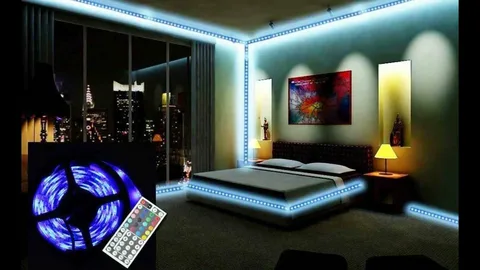
Lighting plays a crucial role in setting the mood and enhancing the aesthetic appeal of any home. Among the various lighting options available today, LED decorative lighting stands out for its energy efficiency, versatility, and design potential. This guide will explore everything you need to know about LED decorative lighting for homes, from types and benefits to installation tips.
What is LED Decorative Lighting?
LED decorative lighting refers to light fixtures that use Light Emitting Diodes (LEDs) to illuminate spaces while also serving as a stylish design element. Unlike traditional lighting, LED lights are energy-efficient, long-lasting, and available in a wide range of colors and shapes, making them perfect for both functional and decorative purposes.
Benefits of LED Decorative Lighting
1. Energy Efficiency
One of the primary advantages of LED decorative lighting is its low energy consumption. LEDs use significantly less electricity than incandescent or halogen bulbs, helping reduce utility bills while minimizing your environmental footprint.
2. Longevity
LEDs are known for their long lifespan. With proper care, LED decorative lights can last up to 50,000 hours, meaning fewer replacements and maintenance hassles for homeowners.
3. Versatility in Design
LED lighting is available in various forms, such as strip lights, fairy lights, pendant lights, and wall sconces. This flexibility allows you to create the perfect ambiance for any room—whether it’s a cozy living room, a romantic bedroom, or a vibrant outdoor space.
4. Color Options and Smart Features
Modern LED decorative lights offer a spectrum of colors and dimming options. Many can be controlled via smartphone apps, allowing you to adjust brightness, color, and even patterns to suit your mood or occasion.
Popular Types of LED Decorative Lighting
- LED Strip Lights: Perfect for highlighting architectural features, under cabinets, or around ceilings.
- Fairy Lights: Ideal for bedrooms or patios to create a whimsical, cozy feel.
- Pendant and Chandelier LEDs: Serve as statement pieces in dining rooms or living areas.
- Wall Sconces and Accent Lighting: Enhance artwork, hallways, or corners of rooms.
Tips for Using LED Decorative Lighting in Your Home
- Plan Your Lighting Layout: Consider the purpose of each room and decide where accent lighting, task lighting, and ambient lighting are needed.
- Mix and Match Styles: Combine different types of LED decorative lighting to create depth and visual interest.
- Use Smart Controls: Integrate dimmers or smart apps for flexibility and convenience.
- Highlight Key Features: Use LED lights to emphasize architectural elements, artwork, or furniture.
Conclusion
Incorporating LED decorative lighting into your home can completely transform the look and feel of your living space. From energy efficiency to creative flexibility, the advantages are undeniable. By understanding the types, benefits, and best practices, you can make the most of your lighting setup.
Whether you’re renovating your home or just looking for a quick update, The Ultimate Guide to LED Decorative Lighting for Homes ensures you have all the information needed to create a stylish and functional environment.
