




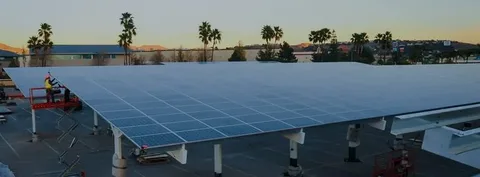
As businesses increasingly look for ways to reduce operating costs and improve sustainability, the choice between commercial solar systems and traditional energy sources has become a crucial decision. Understanding the differences, benefits, and long-term implications of each energy option can help businesses make informed choices that impact both their bottom line and environmental footprint.
Understanding Commercial Solar Systems
Commercial solar systems involve installing solar panels on business premises to capture energy from the sun and convert it into electricity. Unlike residential solar systems, commercial setups are larger and designed to meet higher energy demands.
Benefits of Commercial Solar Systems
- Cost Savings: Over time, solar energy reduces dependency on the grid, significantly lowering electricity bills.
- Sustainability: Solar energy is clean and renewable, helping businesses reduce their carbon footprint.
- Energy Independence: Businesses can generate their own electricity, protecting themselves from rising utility costs.
- Incentives: Many governments and local authorities provide tax credits or rebates to businesses that adopt solar energy.
Traditional Energy Sources
Traditional energy refers to electricity generated from fossil fuels such as coal, oil, and natural gas. While widely available and reliable, it comes with several challenges.
Drawbacks of Traditional Energy
- Rising Costs: Fossil fuel prices are volatile and can increase unpredictably, affecting business budgets.
- Environmental Impact: Burning fossil fuels emits greenhouse gases, contributing to climate change.
- Dependency: Businesses rely entirely on external energy providers, making them vulnerable to outages and price hikes.
Key Differences: Commercial Solar Systems vs Traditional Energy
When comparing commercial solar systems vs traditional energy, several factors stand out:
| Factor | Commercial Solar Systems | Traditional Energy |
| Cost | High initial installation, low long-term cost | Variable monthly bills, potentially high long-term cost |
| Environmental Impact | Clean, renewable | High carbon emissions |
| Reliability | Dependent on sunlight but can use batteries | Continuous supply, but vulnerable to grid issues |
| Incentives | Tax credits and rebates available | Rarely any incentives |
What Businesses Need to Know
Businesses considering energy solutions should weigh upfront costs, long-term savings, and environmental responsibilities. While commercial solar systems require an initial investment, the return on investment can be substantial through lower energy bills and potential incentives. Traditional energy may seem convenient but carries hidden costs and environmental risks.
Transitioning to solar energy can also enhance a company’s brand reputation, showing commitment to sustainability—a factor that increasingly influences customer and investor decisions.
In conclusion, commercial solar systems vs traditional energy: what businesses need to know boils down to a balance between cost, sustainability, and reliability. For forward-thinking companies, solar energy is no longer just an option; it’s a strategic investment in both the environment and the future of the business.
