




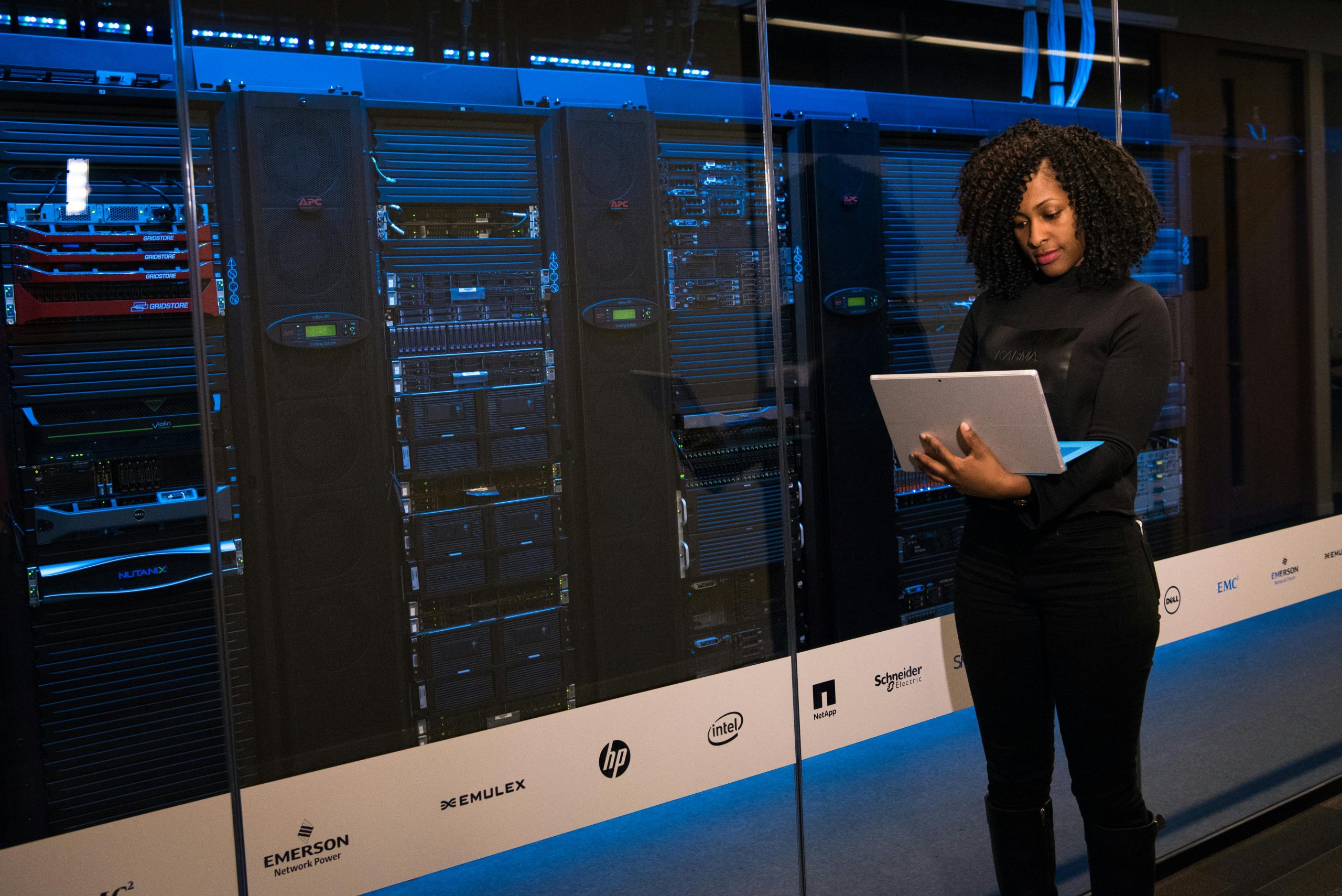
Modern organizations depend on stable, secure, and scalable digital systems to support daily operations. From cloud applications to financial transactions, nearly every digital interaction passes through a carefully managed data center environment. As businesses expand and technology evolves, the demand for comprehensive data center solutions continues to grow.
Effective planning and management ensure that systems remain operational even under high demand. While the technical architecture may seem complex, the goal remains straightforward: maintain uptime, protect information, and optimize performance. By examining infrastructure design, security measures, scalability planning, and sustainability efforts, organizations can better understand the role of robust data center solutions in long-term success.
Strengthening Infrastructure for Reliable Performance
Infrastructure forms the backbone of any data center operation. Servers, storage systems, networking equipment, and power supplies must work together seamlessly to deliver consistent performance. Even minor disruptions in hardware or connectivity can cause significant operational setbacks, particularly for organizations that rely on real-time data processing.
Redundancy plays a central role in infrastructure reliability. Backup power systems, duplicate network paths, and failover mechanisms ensure continuity when unexpected outages occur. Additionally, advanced monitoring systems track performance metrics, temperature levels, and energy usage in real time. This proactive oversight allows technical teams to address potential issues before they escalate into critical failures.
Physical layout also influences efficiency. Strategic rack placement, organized cabling, and controlled airflow help maintain optimal operating conditions. By investing in thoughtful infrastructure design, organizations enhance stability while reducing unnecessary strain on equipment.
Enhancing Security for Critical Data Protection
Security remains a top priority in any data center environment. As cyber threats become more sophisticated, protective measures must evolve accordingly. Physical security features, such as biometric access controls, surveillance systems, and restricted entry points, safeguard hardware from unauthorized access.
Equally important are digital security protocols. Firewalls, encryption standards, intrusion detection systems, and continuous monitoring protect sensitive information from external attacks. Layered security strategies reduce vulnerabilities and strengthen resilience against data breaches.
Compliance requirements further shape security practices. Many industries must adhere to strict regulations governing data storage and privacy. By implementing comprehensive security measures, organizations not only protect assets but also maintain trust among clients and stakeholders. A well-structured approach ensures that confidentiality, integrity, and availability remain uncompromised.
Supporting Scalability for Future Growth
As businesses expand, their technological needs inevitably increase. Data center solutions must accommodate growing workloads, additional applications, and higher user demand without sacrificing performance. Scalability, therefore, becomes a key component of long-term planning.
Modular infrastructure designs allow for incremental expansion. Rather than overbuilding from the outset, organizations can add capacity as needed. Virtualization technologies also contribute to flexibility by enabling multiple workloads to operate efficiently on shared hardware. This approach optimizes resource utilization while minimizing unnecessary expenditures.
Cloud integration further enhances scalability. Hybrid models, which combine on-premises systems with cloud-based services, provide adaptable environments capable of adjusting to fluctuating demands. Within a data center, this hybrid strategy balances control with flexibility, offering a practical pathway for sustainable growth.
Improving Efficiency Through Intelligent Design
Energy consumption represents a significant operational expense for data centers. Cooling systems, in particular, require substantial power to maintain stable temperatures. Therefore, energy-efficient design has become an essential focus for modern facilities.
Innovative cooling strategies, such as hot aisle containment and liquid cooling technologies, reduce excess energy usage while preserving equipment performance. Additionally, energy-efficient hardware and intelligent power distribution units contribute to lower operational costs.
Monitoring tools provide valuable insights into energy patterns. By analyzing real-time data, technical teams can identify inefficiencies and implement corrective measures. Over time, these improvements enhance both financial sustainability and environmental responsibility. In many cases, thoughtful upgrades within a data center lead to measurable reductions in carbon footprint.
Maintaining Continuity Through Proactive Management
Operational continuity depends on careful oversight and routine maintenance. Regular inspections, system updates, and performance evaluations ensure that infrastructure remains reliable. Preventive maintenance schedules reduce the likelihood of unexpected downtime, which can disrupt business operations and damage reputations.
Disaster recovery planning also plays a critical role. Comprehensive backup strategies, geographically diverse replication sites, and clear response protocols prepare organizations for unforeseen events. Whether facing natural disasters, power outages, or cyber incidents, a well-prepared data center can recover swiftly and maintain service availability.
Training and documentation further strengthen operational resilience. Skilled personnel who understand system architecture and emergency procedures contribute to smooth recovery efforts. Ultimately, proactive management fosters confidence in digital infrastructure stability.
Advancing Innovation Through Strategic Solutions
Data center solutions continue to evolve alongside technological advancements. Artificial intelligence, edge computing, and automation increasingly shape infrastructure management. These innovations enhance efficiency, streamline monitoring, and improve response times to system anomalies.
Edge computing, for example, processes data closer to its source, reducing latency and improving performance for time-sensitive applications. Meanwhile, automation tools simplify routine tasks, allowing technical teams to focus on strategic improvements. Within each data center, these advancements support adaptability in an ever-changing digital landscape.
As organizations adopt new technologies, aligning infrastructure strategy with broader business objectives becomes essential. Thoughtful integration ensures that innovation strengthens rather than disrupts existing operations.
Ensuring Stability Through Comprehensive Planning
Reliable digital infrastructure does not happen by chance. It results from deliberate planning, careful investment, and continuous improvement. By strengthening infrastructure, enhancing security, supporting scalability, improving efficiency, and maintaining proactive oversight, organizations create resilient environments capable of supporting modern demands.
Data center solutions ultimately provide the foundation for digital transformation. When thoughtfully implemented, they enable consistent performance, protect valuable information, and accommodate future growth. Through strategic design and disciplined management, businesses ensure that their technological backbone remains stable, secure, and prepared for what lies ahead.
