




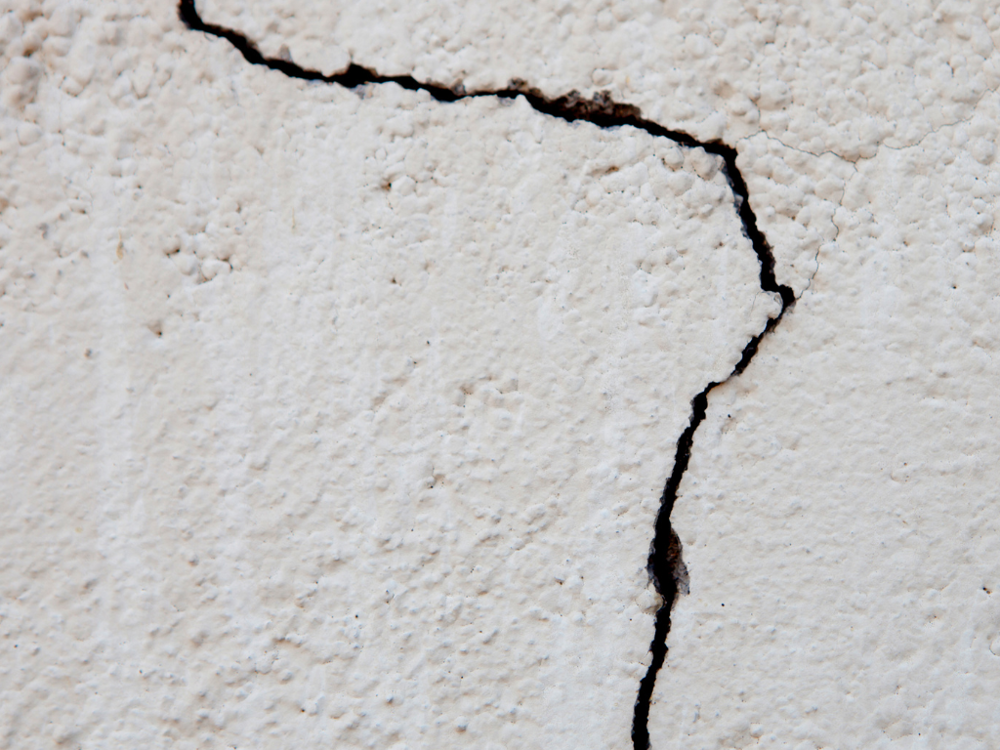
Walls rarely remain perfectly smooth over the years. Homes can develop hairline cracks, dents, old nail holes, uneven plaster, peeling paint, and other surface imperfections. These problems are particularly noticeable when a fresh coat of paint is applied, because strong or uneven light can make even small defects stand out.
Professional Painters and decorators in London generally treat wall preparation as an essential part of the decorating process rather than simply painting over visible damage. The correct approach depends on the type, size, location, and possible cause of the imperfection.
Inspecting the Wall Before Starting
The first step is a careful inspection. A decorator will usually look for cracks, loose plaster, flaking paint, holes, stains, damp marks, and areas where the surface feels uneven.
Small hairline cracks may be relatively straightforward cosmetic defects, while recurring or widening cracks can require further investigation before decorating continues. Professional guidance recommends checking whether plaster is loose or hollow and considering moisture or movement where appropriate.
This initial inspection helps determine whether the wall needs simple filling, local plaster repairs, more extensive preparation, or attention from another professional before painting.
Understanding Different Types of Cracks
Not every crack should be treated in exactly the same way. Hairline cracks in otherwise sound plaster may need only careful preparation and filler. Cracks around wall-to-ceiling junctions can require a flexible decorating product because these areas can experience movement.
Cracks that repeatedly reopen after repair need particular attention. They may indicate movement in the substrate rather than simply a poor paint finish. In such situations, repeatedly filling and painting the same line may only provide a temporary cosmetic solution.
Opening and Cleaning Small Cracks
For a small stable crack, decorators commonly remove loose material and carefully open the crack enough to provide a suitable surface for repair material. Dust and debris are then removed before filler is applied.
This preparation matters because simply brushing filler over a dusty or unstable crack can result in poor adhesion. Industry guidance also recommends applying filler in controlled layers where necessary, allowing each layer to dry before continuing.
Filling and Feathering the Repair
Once the crack has been prepared, an appropriate filler can be worked into the damaged area. Deeper imperfections may need several applications rather than one thick layer.
After drying, the repair is sanded so that its edges gradually blend into the surrounding wall. This feathering process is important because a raised patch or sharp transition can remain visible underneath the final paint.
A smooth repair should feel continuous when you run your hand over the wall rather than forming an obvious ridge.
Dealing With Larger Holes and Damaged Plaster
Some walls have problems that go beyond simple hairline cracks. Previous fixtures, electrical work, impact damage, or deteriorated plaster can leave larger holes and damaged sections.
Larger holes may require additional backing or a more substantial plaster repair instead of ordinary surface filler. Once the damaged section has been rebuilt, the edges need to be blended carefully into the surrounding surface before decorating.
Where plaster is loose over a wider area, simply filling the visible cracks may not provide a durable result. The unstable material may need to be removed and repaired first.
Smoothing Uneven Walls
Cracks are only one type of wall imperfection. Older London properties can also contain uneven plaster, previous repair patches, dents, old wallpaper damage, and variations in surface texture.
Decorators may use sanding, filling, skimming, or local plaster repairs depending on the severity of the problem. The goal is not necessarily to make every wall mathematically perfect, but to create a consistent surface suitable for the chosen finish.
This is particularly important with paints that have a noticeable sheen, as uneven surfaces can become more visible when light reflects across them.
Preparing the Wall for Paint
After repairs have dried, the wall is normally sanded and cleaned to remove dust. Professional wall-preparation guidance recommends repairing cracks and holes, smoothing the surface, cleaning away dust, and using primer where the substrate or repaired areas require it.
Repairs can absorb paint differently from the surrounding wall. Spot-priming repaired areas can therefore help create more uniform absorption and reduce the possibility of visible patches after painting.
Priming and Sealing Repaired Areas
Primer or an appropriate sealing system can be particularly useful where the surface contains bare plaster, filler, or significant variations in porosity.
Fresh plaster also needs suitable preparation before normal decorative coats are applied. Painting onto inadequately prepared plaster can contribute to uneven absorption and adhesion problems.
The exact preparation method should depend on the wall material and the manufacturer’s recommendations for the products being used.
Working With Older London Properties
Older homes can present additional decorating challenges. Traditional plaster, including historic lime-based materials, may behave differently from modern plasterboard or contemporary plaster finishes.
Decorators working on older properties therefore need to consider the existing construction before selecting repair and painting materials. Breathability can be particularly important with traditional walls, and inappropriate preparation can create problems later.
Rather than automatically covering historic surfaces with modern materials, the condition and type of existing plaster should be considered first.
Checking the Wall Under Strong Light
A wall can look smooth under ordinary room lighting while still showing imperfections once painted. Professionals can use angled or raking light to identify ridges, depressions, sanding marks, and remaining cracks.
This final inspection allows defects to be corrected before the topcoat is applied. It is much easier to repair an imperfection before painting than after the finished surface has revealed it.
Why Painting Straight Over Cracks Is Usually a Poor Solution
A fresh coat of paint can temporarily make a small crack less noticeable, but paint does not repair damaged plaster or address movement beneath the surface.
If the underlying defect remains, it can eventually become visible through the new finish. Proper preparation therefore follows a sequence of inspection, repair, smoothing, cleaning, priming where necessary, and painting.
When a Crack Needs More Than Decorating
Decorators should recognise when a problem may fall outside ordinary cosmetic preparation. Cracks that are widening, repeatedly returning, associated with dampness, or accompanied by loose or significantly damaged plaster deserve closer assessment.
The important distinction is between making a surface look better and resolving an underlying building problem. Decorating work should not be used to conceal a potentially serious issue.
Creating a Better Final Finish
The quality of a painted wall depends heavily on what happens before the paint is applied. Filling cracks, repairing damaged plaster, sanding carefully, removing dust, and preparing different surfaces correctly all contribute to a cleaner result.
For homeowners, this explains why professional decorating can involve considerably more preparation than simply applying two coats of paint. Painters and decorators in London often spend substantial time making the underlying surface ready so that the final colour appears smooth, consistent, and professionally finished.
Final Thoughts
Cracks and imperfect walls are common decorating challenges, but they do not automatically mean an entire wall needs replacing or replastering. The appropriate solution depends on the condition of the surface and the nature of the damage.
By identifying the problem first, repairing it with suitable materials, smoothing the surrounding area, and preparing the surface before painting, decorators can significantly improve the appearance and durability of the finished wall. For older London properties in particular, understanding the existing plaster and construction is an important part of achieving a successful decorating result.
