




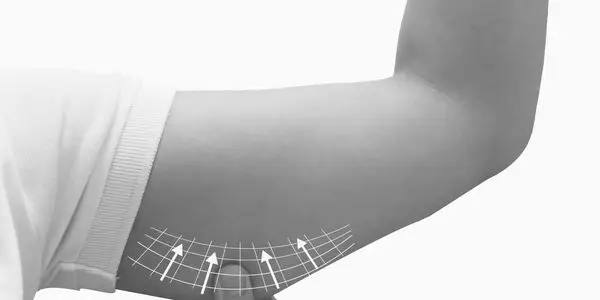
Upper-arm fullness can be frustrating, particularly when stubborn fat remains despite regular exercise and a stable weight. Arm liposuction is one option for reducing localized fat and creating a more streamlined contour. However, it is a surgical body-contouring procedure—not a weight-loss treatment—and the best results depend heavily on choosing appropriate candidates and having realistic expectations.
Contents
ToggleWhat Is Arm Liposuction?
Arm liposuction involves removing localized deposits of subcutaneous fat through small incisions using a cannula. The goal is to reshape the upper arm rather than dramatically reduce overall body weight. Surgeons may target areas where excess fullness is most noticeable while considering the arm’s proportions in relation to the shoulders and forearms.
The procedure is generally most useful when excess volume is caused primarily by fat and the overlying skin still has enough elasticity to adapt to the new contour.
Who May Be a Good Candidate?
A suitable candidate is generally a healthy adult who is relatively close to their desired weight, has localized fat that has not responded adequately to diet and exercise, and has realistic expectations about what surgery can accomplish. Good skin elasticity is particularly important because the skin needs to contract around the reduced volume after fat removal.
Smoking and vaping can interfere with healing, so patients should discuss these habits honestly with their surgeon. Existing medical conditions, medications, previous surgeries, and other factors should also be reviewed before treatment.
Fat vs. Loose Skin: An Important Difference
One of the biggest considerations before arm liposuction is whether the primary concern is excess fat, loose skin, or a combination of both. Removing fat does not automatically remove hanging skin.
Patients with significant skin laxity—particularly after substantial weight loss—may need an arm lift, medically known as brachioplasty, instead of or in addition to liposuction. Recent guidance from the American Society of Plastic Surgeons emphasizes that skin quality and the amount of excess tissue play a major role in determining which approach is appropriate.
What to Discuss During the Consultation
A consultation should be more than simply deciding whether to have the procedure. The surgeon should assess your overall health, skin elasticity, fat distribution, previous procedures, medications, and desired outcome.
If you are searching for liposuction near me, focus on finding a properly qualified plastic surgeon rather than choosing a provider solely because of location or advertised price. Ask about experience with upper-arm contouring, surgical facilities, expected results, possible alternatives, and how complications would be handled.
Before-and-after photographs of patients with similar arm anatomy can also help establish realistic expectations.
How to Prepare for Treatment
Your surgeon may recommend a medical evaluation or laboratory testing before surgery. Medication, supplements, aspirin, anti-inflammatory drugs, smoking, and vaping may require specific instructions because some can affect bleeding or healing. Patients should never stop prescribed medication without guidance from the appropriate healthcare professional.
It is also important to arrange transportation home and appropriate assistance after surgery. Having someone available during the initial recovery period can make the process more manageable.
What Is Recovery Like?
Swelling, bruising, tenderness, and temporary changes in sensation can occur after arm liposuction. A compression garment may be recommended to help control swelling and support the treated area during healing.
Recovery varies according to the amount treated, surgical technique, individual healing, and whether other procedures are performed at the same time. Many patients gradually return to normal activities over several weeks, but the arms may continue to change as swelling decreases.
Final contouring should not be judged immediately after surgery. Residual swelling can obscure the outcome, and improvement may continue for several months.
Understanding the Potential Risks
Although liposuction is commonly performed, it is still surgery and carries potential risks. These can include bleeding, infection, fluid accumulation, changes in sensation, contour irregularities, poor wound healing, anesthesia-related complications, and injury to deeper structures. The possibility of requiring additional or revision surgery should also be discussed.
A qualified surgeon should explain the risks relevant to your individual circumstances rather than presenting the procedure as risk-free.
What Results Can Patients Expect?
Arm liposuction can reduce localized fat and create a slimmer, more defined appearance when the patient is appropriately selected. However, it cannot guarantee perfectly tight skin or eliminate every irregularity.
Results are also influenced by genetics, age, skin elasticity, weight stability, and postoperative healing. Maintaining a relatively stable weight and healthy lifestyle can help preserve the benefits of body contouring.
When Another Procedure May Be Better
If loose, hanging skin is the dominant concern, liposuction alone may not produce the desired appearance. An arm lift removes excess skin and reshapes the upper arm, but it also involves incisions and therefore creates scars.
For some patients, a combination of fat removal and skin excision may provide a better solution than either procedure alone. The appropriate choice depends on individual anatomy and goals.
Final Thoughts
Arm liposuction can be an effective option for patients who have localized upper-arm fat and reasonably good skin elasticity. The key is understanding what the procedure can—and cannot—accomplish before making a decision.
A thorough consultation with a qualified plastic surgeon can help determine whether liposuction, an arm lift, a combination approach, or no surgery is the most appropriate option. Careful patient selection, realistic expectations, proper preparation, and adherence to postoperative instructions are all important parts of achieving a safe and satisfactory result.
