




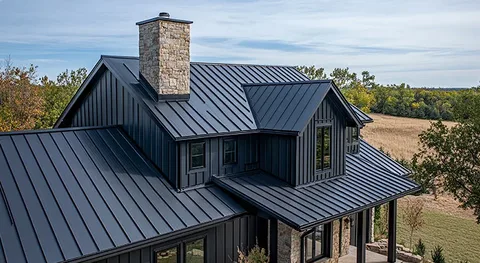
Roofs are often taken for granted—until there’s a leak, a slipped tile, or damp appearing on the ceiling. In areas like Wolverhampton and the wider West Midlands, roofs face constant exposure to rain, fluctuating temperatures, moss growth, and occasional storm damage. Understanding how roofing systems work and what commonly goes wrong can help homeowners make informed, practical decisions rather than reactive ones.
If you’re researching reliable Roofers in Wolverhampton, it’s helpful to first understand the typical roofing challenges found in this region and what signs to look out for before small issues become major repairs.
Why Roofing Problems Often Start Small
Most roofing failures don’t begin with dramatic damage. Instead, they develop gradually due to:
- Minor cracks in mortar along ridge tiles
- Lead flashing lifting slightly around chimneys
- Small gaps forming near dry verge systems
- Gutters clogging and overflowing
- Moss retaining moisture against tiles
These small defects may not be visible from ground level. Over time, however, they allow moisture to seep beneath the surface. In a climate like Wolverhampton’s—where damp conditions are common—this moisture can accelerate deterioration of timber battens, underlay, and internal roof structures.
Routine inspection is often the difference between a minor repair and a full replacement.
Pitched Roofs: What Homeowners Should Monitor
Many homes in Wolverhampton use pitched roofing systems with slate or concrete tiles. These systems are durable, but no roof lasts forever.
Key warning signs include:
- Uneven ridge lines
- Slipped or missing tiles
- Visible cracks in mortar
- Debris collecting in valleys
- Dark patches indicating trapped moisture
It’s also worth checking the loft space occasionally. Signs like daylight coming through gaps, damp insulation, or a musty smell can indicate roofing issues that aren’t obvious externally.
Flat Roofs: Modern Materials vs Traditional Systems
Flat roofs are common on garages, extensions, and bay windows. While older felt systems were prone to blistering and pooling water, modern materials have significantly improved durability.
Today’s commonly used systems include:
- EPDM rubber roofing, known for flexibility and weather resistance
- Fibreglass (GRP), valued for strength and seamless finish
- Layered felt systems with improved lifespan compared to older versions
The performance of a flat roof depends heavily on installation quality and drainage design. Standing water that remains for extended periods is often a sign that the roof’s fall angle or drainage outlet needs adjustment.
Chimneys and Lead Work: Frequent Weak Points
Chimneys are one of the most common leak sources in older properties. The issue is rarely the brick itself—it’s usually the flashing or mortar joints around it.
Problems typically arise from:
- Split or poorly shaped lead flashing
- Cracked pointing
- Loose chimney pots
- Weathered seals around joints
Proper lead work requires skill and precision. It should sit flush, be neatly dressed, and allow for expansion without lifting. Poor installation often shows within a few seasons.
The Importance of Guttering and Roofline Systems
Guttering, fascias, and soffits are essential parts of the roofing system. When gutters overflow due to blockages or poor alignment, water can run behind fascia boards and cause hidden rot.
Common consequences of neglected guttering include:
- Damp internal walls
- Mould growth
- Timber decay
- Water staining on brickwork
In heavily wooded areas, autumn debris can quickly block drainage systems. Seasonal maintenance is often one of the simplest ways to extend the life of a roof.
Repair or Replacement: Making a Practical Decision
Homeowners are often unsure whether they need a full roof replacement or just targeted repairs.
Repairs are usually sufficient when:
- Damage is localised
- The roof structure remains solid
- The majority of tiles are intact
Replacement may be necessary when:
- Leaks occur repeatedly in different areas
- The underlay has degraded across large sections
- The roof shows structural sagging
- The system is approaching the end of its lifespan
A thorough inspection, ideally with photographic evidence, helps clarify the situation and avoids guesswork.
Why Preventative Maintenance Matters
Roofing work is typically reactive—addressed only when there’s visible damage. However, preventative maintenance is more cost-effective in the long term.
Simple actions like:
- Clearing gutters annually
- Removing excessive moss build-up
- Checking ridge tiles after storms
- Inspecting flashing periodically
can significantly extend a roof’s lifespan.
In climates like the West Midlands, moisture management is key. Proper ventilation, drainage, and sealing are just as important as the tiles themselves.
Final Thoughts
A roof is more than just a covering; it’s a complete system designed to manage water, withstand wind, and protect the structure beneath it. Most major roofing problems begin as small, manageable issues that go unnoticed.
For homeowners researching Roofers in Wolverhampton, understanding the fundamentals of roofing systems can make it easier to ask the right questions and evaluate advice with confidence.
