




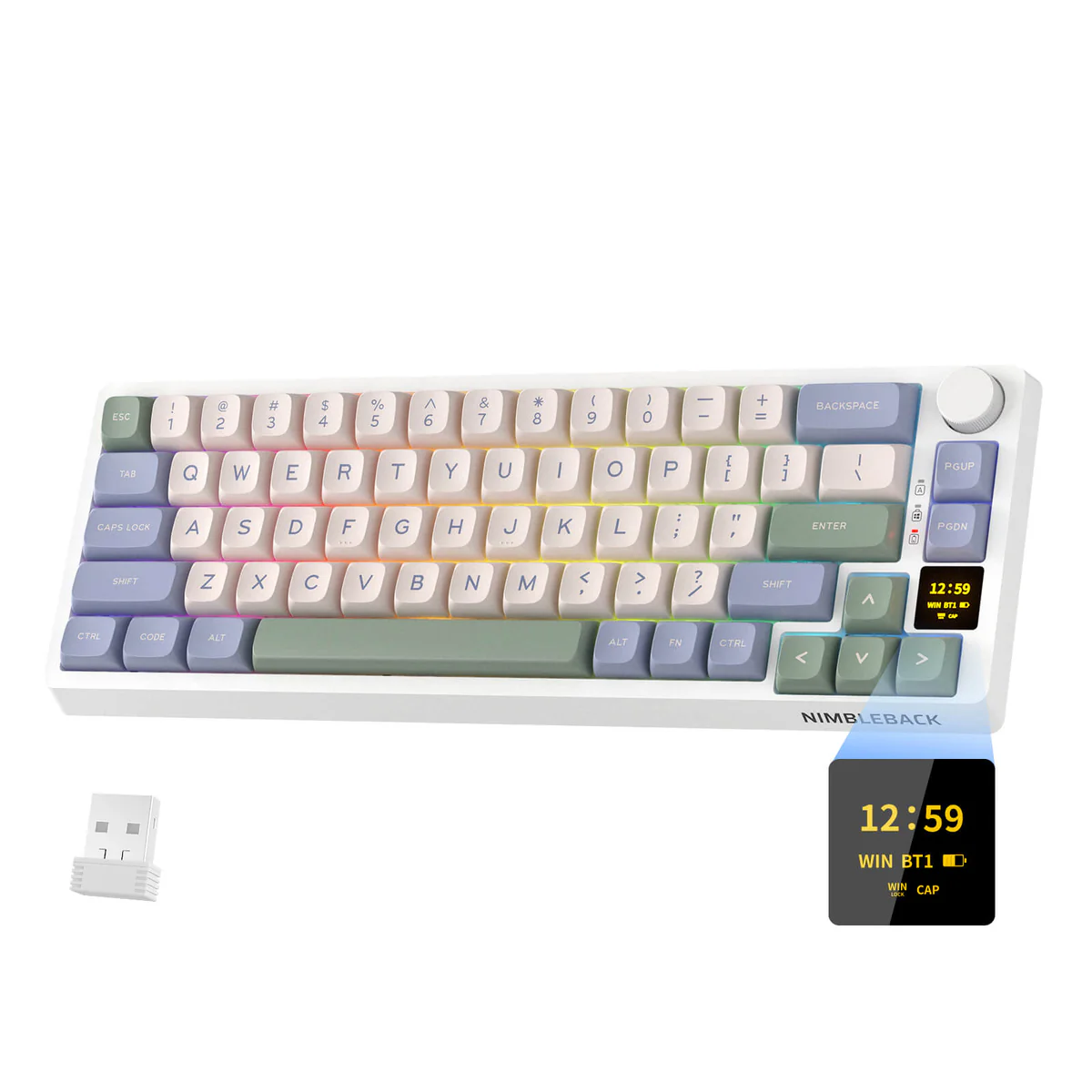
The rapid evolution of technology has brought us some of the most fascinating innovations in recent years. One such breakthrough is the touchscreen keyboard with display, which is redefining the way we interact with computers and other devices. Combining visual feedback with dynamic input, this technology offers both functionality and versatility.
What is a Touchscreen Keyboard With Display?
A touchscreen keyboard with display is an input device that integrates a display screen directly into the keyboard surface. Unlike traditional keyboards, which rely solely on physical keys, this technology allows keys to be dynamically reconfigured on the screen. Users can switch between layouts, languages, or even custom shortcuts depending on their needs.
This type of keyboard often comes with features like:
- Visual key mapping for multiple languages
- Contextual shortcuts for software applications
- Interactive feedback such as animations and notifications
By combining tactile input with a digital interface, these keyboards offer a highly adaptable typing experience.
Key Features and Benefits
1. Dynamic Customization
One of the most appealing aspects of a touchscreen keyboard with display is its ability to adapt to different tasks. Whether you’re gaming, coding, or designing, the keyboard layout can change to match your workflow. This eliminates the need for multiple physical keyboards and improves efficiency.
2. Enhanced Productivity
With integrated displays, users can receive real-time notifications, view application-specific controls, or even watch videos while typing. This multi-functional approach boosts productivity and makes multitasking seamless.
3. Sleek Design and Compactness
Traditional keyboards often take up significant desk space. The touchscreen variant reduces clutter by integrating multiple functionalities into a single device, making it ideal for modern workspaces or mobile setups.
Real-World Applications
The adoption of touchscreen keyboards with display is expanding across various industries:
- Gaming: Gamers can customize layouts and macro keys for a more responsive experience.
- Graphic Design: Artists can access shortcuts, color palettes, and tools directly on the keyboard.
- Business & Office: Professionals can switch between language layouts or software-specific controls effortlessly.
Challenges and Considerations
Despite its advantages, this technology comes with certain challenges:
- Learning Curve: Users accustomed to physical keyboards may need time to adapt.
- Durability: Touchscreen surfaces can be more susceptible to wear and tear.
- Cost: Advanced models tend to be more expensive than conventional keyboards.
However, as technology advances, these limitations are gradually being addressed through innovations in materials and software design.
Conclusion
The touchscreen keyboard with display represents a significant leap forward in human-computer interaction. By combining adaptability, functionality, and visual feedback, it is shaping the future of typing and input devices. For professionals, gamers, and tech enthusiasts alike, this innovative technology offers a glimpse into a more flexible and interactive digital workspace.
