




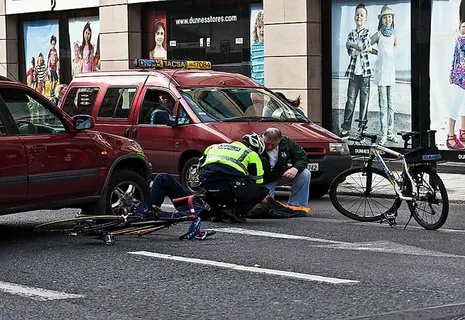
Most people associate Uber and Lyft accidents with passengers in the back seat. But in Austin—especially in busy areas near Downtown, South Congress, UT campus, and popular nightlife districts—rideshare vehicles are also involved in accidents with pedestrians and cyclists.
When a rideshare driver hits someone walking or biking, the legal and insurance issues often become even more complicated than a typical car crash. That’s because the claim may involve multiple insurers, questions about app status, and disputes over who had the right of way.
This article explains why pedestrian and cyclist rideshare accidents in Austin can be uniquely challenging and what makes these cases different from standard injury claims.
Why Rideshare Driving Increases Pedestrian and Cyclist Risk
Rideshare vehicles operate differently than most drivers. Even when a rideshare driver is careful, the nature of rideshare work creates higher risk in pedestrian-heavy areas.
Common rideshare behaviors that contribute to crashes include:
- Sudden stops to pick up passengers
- Quick U-turns or unexpected turns
- Stopping in bike lanes
- Driving while watching the app for directions
- Looking for passengers instead of scanning for pedestrians
- Pulling into crowded curb areas
In busy Austin streets, these behaviors can lead to serious injuries in seconds.
App Status Still Controls Insurance Coverage
Just like passenger rideshare accidents, pedestrian and cyclist claims often depend on whether the driver was:
- Offline
- Logged in and waiting for a request
- En route to pick up a passenger
- Actively transporting a passenger
The difference is that pedestrians and cyclists have no access to ride receipts or app screenshots. That makes it harder to prove what phase the driver was in, even though that phase can determine which insurance policy applies.
This is one reason injured pedestrians often consult an Austin, TX Rideshare Accident Lawyer when the rideshare driver claims they were “off duty,” or when insurers delay while arguing about app status.
Pedestrian and Cyclist Claims Are Often Met With More Blame-Shifting
Rideshare companies and insurers frequently argue that pedestrians or cyclists contributed to the crash.
Common defense arguments include:
- The pedestrian crossed outside the crosswalk
- The cyclist was riding too close to traffic
- The pedestrian “stepped out suddenly”
- The cyclist was not visible
- The injured person was distracted
Even when these arguments are weak, they can reduce settlement offers or delay compensation.
Injuries Are Often More Severe Than Passenger Injuries
Pedestrians and cyclists have little physical protection. Even a low-speed impact can cause:
- Traumatic brain injuries
- Broken hips, legs, or arms
- Facial injuries
- Spinal trauma
- Permanent mobility issues
These injuries often require surgery, long-term rehab, and significant time away from work.
Because damages are high, insurers may fight harder, even when fault seems obvious.
Evidence Collection Is Often the Biggest Challenge
Pedestrian and cyclist rideshare accidents often happen quickly, and victims may be too injured to gather information.
Important evidence can include:
- Traffic camera footage
- Nearby business surveillance
- Witness statements
- Photos of the scene
- Vehicle and driver identification
- Police report details
The sooner evidence is preserved, the stronger the claim usually becomes.
Why These Cases Can Involve Multiple Insurance Policies
In some situations, a rideshare accident involving a pedestrian may trigger:
- The rideshare driver’s personal insurance
- Uber/Lyft contingent coverage
- Uber/Lyft commercial policy
- Another driver’s policy (if multiple vehicles were involved)
- Uninsured/underinsured coverage
This can turn the case into an insurance dispute even before fault is fully addressed.
Final Thoughts
When a rideshare accident in Austin involves a pedestrian or cyclist, the claim can become more complex than most people expect. App status disputes, evidence challenges, and aggressive blame-shifting often make these cases harder than standard injury claims.
Understanding what makes these crashes different helps victims and families recognize why early documentation matters, why insurers may delay, and why rideshare-related injury claims often require a deeper investigation than a typical traffic accident.
